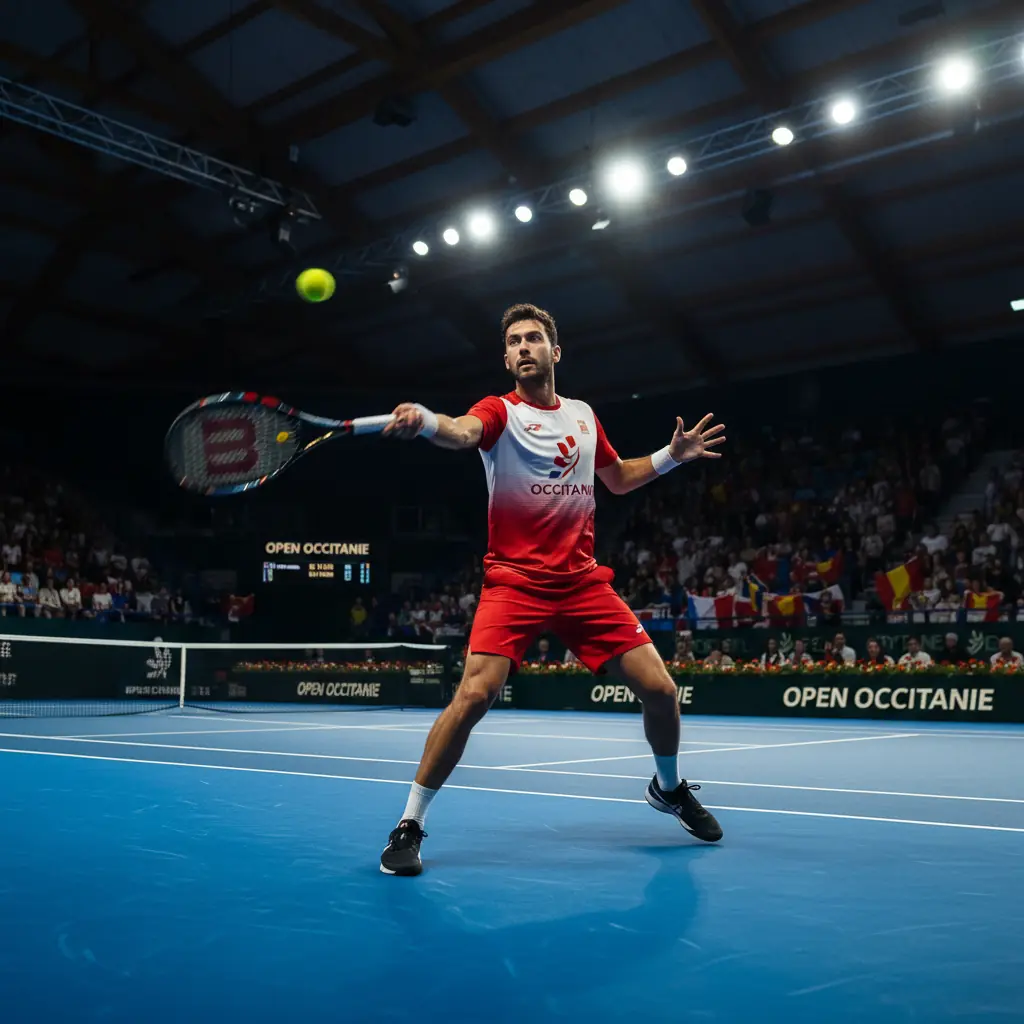
The ATP Montpellier Open stands out as a jewel in the crown of the ATP Tour. Forget sun-drenched clay or breezy outdoor hard courts; this tournament unfolds under the bright lights, on the fast, unforgiving surface of an indoor hard court. The atmosphere crackles with a unique energy, a blend of focused intensity and the electric thrill of indoor competition. It is a pivotal moment in the tennis calendar, offering players a chance to fine-tune their skills early in the season.
From its inception, the Montpellier Open has consistently drawn a high caliber of players, established stars and hungry up-and-comers alike, all eager to test their mettle on this distinctive surface. The tournament’s history is rich with compelling matches and memorable moments, a testament to the unique challenges and rewards it offers. Having closely followed, and even experienced firsthand, the nuances of this event, it’s clear that the Montpellier Open is more than just another tournament – it’s a fascinating study in adaptability, strategy, and the relentless pursuit of excellence within the unique confines of its indoor arena.
A Brief History of the Montpellier Open
The Montpellier Open, now officially known as the Open Occitanie, has rapidly become a fixture on the ATP Tour 250 series since its debut in 2010. Initially known as the Open Sud de France, the tournament emerged as a successor to the Grand Prix de Tennis de Lyon, transplanting top-tier tennis action to the south of France. A significant moment in its history was the relocation to the Sud de France Arena, a modern venue equipped to host thousands of enthusiastic fans. This move marked a new era, providing enhanced facilities for players and spectators alike.
Over the years, the tournament has seen its share of dominant players, with local favorites like Gaël Monfils and Richard Gasquet etching their names into the record books. Gasquet, in particular, has enjoyed considerable success in Montpellier, clinching multiple titles and thrilling home crowds with his elegant style of play. These victories not only underscore his personal achievements but also highlight the tournament’s significance within the French tennis landscape. In the recent edition, Félix Auger-Aliassime emerged as the champion, adding his name to the list of distinguished players who have tasted victory at this event.
Key Moments and Turning Points
Several key moments have defined the Montpellier Open’s trajectory. One such instance was a nail-biting final that went down to the wire, showcasing exceptional athleticism and determination from both players. Another turning point was the emergence of a young, relatively unknown player who defied the odds to reach the semi-finals, injecting fresh excitement into the tournament. These historic matches and record-breaking performances have not only generated significant buzz but have also solidified the tournament’s reputation as a platform for both established stars and rising talents. These moments are what make the Open Occitanie a thrilling event every year.

Understanding Indoor Hard Courts and Their Impact
Indoor hard courts present a unique tennis environment, significantly influencing gameplay compared to other surfaces. These courts are typically constructed from acrylic or similar synthetic materials layered over a concrete or asphalt base, creating a consistently firm and fast surface. This composition results in a higher ball bounce and reduced friction, leading to quicker ball speeds and shorter rallies. The speed of the court directly impacts the effectiveness of different playing styles.
Unlike clay courts that reward patient, defensive play and extended rallies, or grass courts where the ball stays low and skids, indoor hard courts favor aggressive baseliners and players with powerful serves. The enhanced ball speed allows big servers to dictate play, often resulting in a higher percentage of aces and service winners. Serve-and-volley tactics also become more viable, as the fast surface shortens reaction time for opponents. Players who can consistently hit deep, penetrating groundstrokes gain an advantage by pushing their opponents behind the baseline and limiting their opportunities to attack.
In contrast to outdoor hard courts, indoor versions offer a more predictable bounce due to the absence of wind and the meticulously maintained surface. While outdoor hard courts can vary in speed and texture depending on the specific materials and environmental factors, indoor courts provide a standardized playing field. This consistency allows players to fine-tune their strategies and execute shots with greater precision. Tournaments played on indoor hard courts, such as the Open Sud de France in Montpellier, often witness lower average rally lengths and higher first serve percentages compared to events on other surfaces, highlighting the court’s influence on match dynamics. The characteristics encourage a more direct and forceful style of play.
Indoor Conditions: The Silent Factor
The controlled environment of indoor tennis introduces a subtle yet significant influence on the game. Players often overlook the absence of wind resistance and the consistent temperature, but these factors considerably impact ball trajectory and player stamina. Without wind affecting the ball’s flight, players can predict its path with greater accuracy, leading to more confident shot-making. This is unlike outdoor play, where gusts of wind can alter the ball’s course mid-flight, requiring constant adjustments.
Temperature control also plays a role. Indoor venues typically maintain a stable temperature, minimizing the physical stress on players caused by extreme heat or cold. Consistent temperature reduces the chance of fatigue. Players can maintain a higher level of intensity throughout the match because their bodies are not expending extra energy to regulate temperature. This consistency allows players to focus solely on their game, extracting every possible ounce of effort into each shot.
Key Players and Memorable Moments
Local Heroes: The French Connection
The Montpellier Open invariably witnesses a surge of national pride, fueled by the fervent support for French tennis players. This home advantage is more than just a cheering crowd; it’s a tangible energy that can elevate a player’s performance. The familiarity with the court, the comfort of the surroundings, and the unwavering belief of the fans create a psychological edge that’s hard to quantify but impossible to ignore. French players often thrive under this pressure, channeling it into focused aggression and unwavering determination. Their playing styles, often characterized by flair and athleticism, seem particularly well-suited to the indoor hard courts of Montpellier. This confluence of talent, environment, and unwavering support solidifies the French connection as a powerful force at the tournament, turning local heroes into national legends.
The Montpellier Open has been graced by exceptional talents. Gaël Monfils, with his acrobatic athleticism and unpredictable shot-making, captivated audiences with his sheer entertainment value. His ability to turn defense into offense, coupled with his infectious energy, made him a constant threat on the indoor hard courts. Richard Gasquet, known for his elegant backhand and tactical prowess, brought a touch of class and precision to the tournament. His ability to dissect opponents’ games and exploit their weaknesses with subtle variations made him a formidable competitor.
Analyzing these champions reveals common threads: adaptability and mental fortitude. Indoor hard courts demand quick reflexes, precise shot placement, and the ability to dictate play from the baseline. These players demonstrated an uncanny ability to read their opponents, anticipate their moves, and adjust their strategies on the fly. They also possessed the mental toughness to weather pressure moments, stay focused under duress, and seize opportunities when they arose.
The Gasquet-Monfils semi-final match was a classic encounter, a rollercoaster of emotions and momentum shifts, a true testament to the players’ skills. Each point was fought with fierce determination. The tension was palpable, and the crowd erupted with every winner. Another memorable moment happened when a recent champion, battling injury and fatigue, found himself down a break in the final set. Summoning every ounce of his physical and mental strength, he dug deep, retrieved the break, and ultimately clinched the title in a thrilling tiebreaker, forever etching his name into Montpellier Open history.
Strategies for Success on Indoor Hard Courts
Indoor hard courts present a unique set of challenges and opportunities for tennis players. Unlike outdoor courts, there are no weather elements to contend with, leading to consistent ball bounces and predictable playing conditions. To truly excel on this surface, players need a well-defined strategy that takes into account the specific characteristics of indoor hard courts.
Serve Placement: The Key to Dictating Play
On indoor hard courts, the serve is a potent weapon. The lack of wind allows for pinpoint accuracy, making serve placement crucial. Aiming serves strategically to exploit an opponent’s weaker side can immediately put them on the defensive. For instance, a wide slice serve to the backhand can jam a player with a weaker backhand, opening up the court for a forehand attack. Similarly, a body serve can disrupt rhythm and prevent the receiver from getting a clean look at the ball. Varying serve placement keeps the opponent guessing and prevents them from settling into a comfortable return position. Mastering different serve spins, like topspin for higher bounce or flat serves for pace, adds another layer of complexity for the returner to handle.
Return of Serve: Neutralizing the Advantage
A strong return game is essential to negate the server’s advantage on indoor hard courts. One key strategy is to prioritize depth and consistency over outright winners. A deep return that lands near the baseline forces the server to play a defensive shot, preventing them from immediately attacking. When facing a big server, shortening the backswing and focusing on blocking the ball back into play can effectively neutralize the serve. Furthermore, stepping inside the baseline to take the return early can put pressure on the server and disrupt their rhythm. Identifying patterns in the server’s placement and anticipating the serve direction can also give the returner a crucial edge. A well-executed return can immediately turn the tables and shift the momentum in your favor.
Tactical Adjustments for Indoor Success
Adapting tactics based on the opponent’s playing style and the specific court conditions is vital for success on indoor hard courts. Against aggressive baseliners, employing a serve-and-volley strategy can disrupt their rhythm and force them to pass. Against net rushers, accurate passing shots and well-placed lobs become essential. Be aware that indoor hard courts often play faster than outdoor surfaces, rewarding aggressive play and quick reactions. Staying low to the ground, moving efficiently, and taking the ball early are all crucial adjustments. Finally, don’t be afraid to change tactics mid-match if something isn’t working. Adaptability and a willingness to experiment are hallmarks of successful indoor hard court players.
The Future of the Montpellier Open
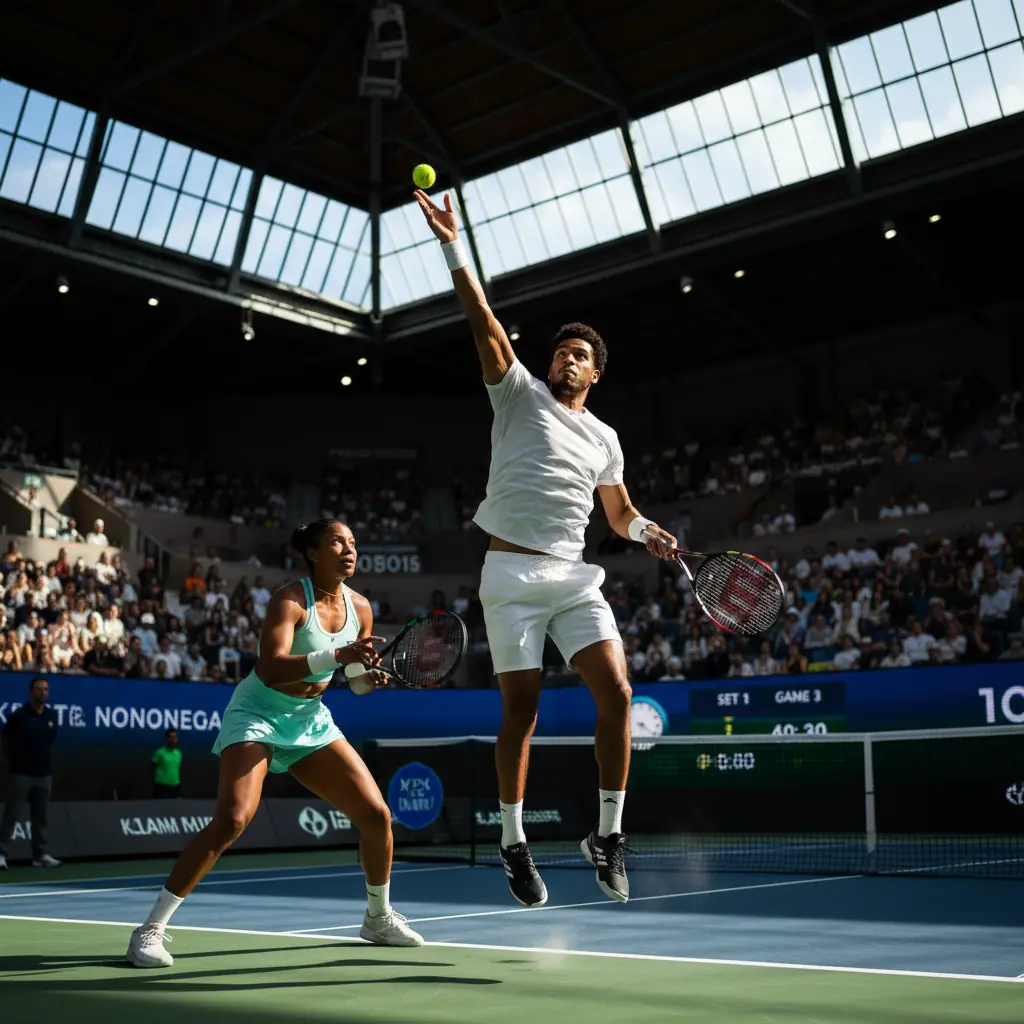
The Montpellier Open, a fixture on the ATP Tour, stands at an interesting crossroads. Its future success hinges on adapting to the ever-shifting sands of professional tennis. While its current format has proven successful, potential tweaks could elevate its status even further. Imagine, for example, incorporating fan-centric events or innovative scoring formats in some matches to attract a broader audience. Such changes would inject fresh energy into the tournament and solidify its position on the calendar.
One of the most exciting aspects of any tennis tournament is the emergence of rising stars, and Montpellier is no exception. Keep an eye on young players who demonstrate exceptional court coverage and powerful groundstrokes––qualities that thrive on indoor hard courts. These athletes represent the future of tennis and could very well make their mark in Montpellier, potentially using it as a launchpad for greater success on the ATP Tour.
The Montpellier Open plays a vital role in the broader tennis ecosystem. As one of the few indoor hard court tournaments early in the season, it provides a crucial platform for players to hone their skills and accumulate valuable ranking points. Its continued success is essential for maintaining diversity within the ATP Tour and ensuring a compelling narrative throughout the year. As tennis continues to evolve, the Montpellier Open must embrace innovation and remain a relevant and exciting stop for players and fans alike.
Conclusion
In summary, the Montpellier Open stands out as a captivating event in the ATP Tour calendar. Its unique combination of indoor hard court conditions, strategic gameplay, and exciting player matchups makes it a must-watch for tennis enthusiasts. From its historical roots to the tactical nuances dictated by the court surface, the tournament offers a compelling glimpse into the world of professional tennis.
The Montpellier Open showcases a blend of power and precision. Players who can master the court’s fast pace and low bounce often find themselves with a competitive edge. The tournament’s appeal extends beyond the court, immersing fans in the vibrant atmosphere of Montpellier. Keep up with the latest scores and player updates, and discover more about the exciting realm of indoor hard court tennis.