
The Pacific Classic. Just the name conjures images of sun-drenched days, the thunder of hooves, and breathtaking displays of equine athleticism. More than just a horse race, the Pacific Classic is a symbol of Del Mar, a jewel in the crown of California racing, and a significant economic engine. Since its inception, it has captivated racing fans worldwide with its prestige and rich history.
The Pacific Classic isn’t merely about tradition; it is about high stakes and fierce competition. As a Breeders’ Cup “Win and You’re In” challenge race, victory here guarantees a coveted spot in the Breeders’ Cup Classic, amplifying the importance for owners, trainers, and jockeys alike. Beyond the thrill, the Pacific Classic represents a major financial boon for Del Mar and the surrounding communities, injecting millions into the local economy.
Dive in, and discover why this event continues to be one of the most anticipated horse races in the nation, and how it shapes the landscape of thoroughbred racing.
Del Mar Racetrack: A Storied Venue
Nestled beside the Pacific Ocean, the Del Mar Racetrack isn’t just a horse racing venue; it’s a California institution steeped in history and glamour. Opened in 1937, its very creation was infused with Hollywood stardust, attracting legends like Bing Crosby, one of its founders, and countless celebrities who flocked to the track, solidifying its reputation as a playground for the elite.
The allure of Del Mar extends beyond its celebrity connections. The track itself possesses a unique charm. Its seaside location presents distinct challenges and advantages. The infamous “marine layer,” a dense fog that often rolls in from the ocean, can drastically alter visibility and, consequently, racing strategies. The track surface, affected by the coastal climate, demands careful consideration from trainers and jockeys alike. This uncertainty adds an element of unpredictable excitement, making every race at Del Mar a thrilling gamble.
Del Mar offers a variety of vantage points to experience the races. The grandstand provides a classic, panoramic view of the entire track, perfect for seasoned racing fans who want to analyze every move. For a more immersive experience, the infield offers a lively atmosphere, with close-up views of the horses and a vibrant social scene. Be warned; however, that during major events like the Pacific Classic, the infield can become incredibly crowded. Alternatively, exclusive trackside dining areas offer a luxurious experience, providing gourmet food, premium drinks, and unparalleled views of the finish line. Ultimately, where you choose to watch from depends on your personal preference; whether you want an analytical view, a social buzz, or simply to experience the thunder of hooves as the horses barrel towards the finish line.
Key Contenders and Jockeys to Watch
The Pacific Classic is not just a race; it’s a crucible where legends are forged. Several Thoroughbreds stand out as prime contenders this year, each bringing a unique blend of pedigree, training, and recent performance that demands attention.
Leading Horses
Arrogate’s Echo: A son of the legendary Arrogate, this four-year-old colt has been turning heads with his late-closing speed. While he sometimes breaks slowly from the gate, his ability to sustain a powerful run in the final furlongs makes him a threat, especially in Del Mar’s deep, sandy track. His tactical flexibility, though, is a question mark. If the pace is slow, can he adapt?
Queenston’s Pride: This seasoned five-year-old mare boasts an impressive record at Del Mar, including a dominating win in the Clement L. Hirsch Stakes. Her tactical speed and tenacity make her a formidable opponent. The question is, can she handle the added distance of the Pacific Classic? Mares have historically found it tough in this race, but Queenston’s Pride has the heart of a champion.
Coastal King: A consistent performer on the California circuit, Coastal King has shown a liking for Del Mar’s surface. His grinding style and stamina make him a dangerous closer in a race where others might fade. However, he lacks the brilliance of some of the other contenders, and he’ll need a perfect setup to be a factor.
Jockeys to Watch
Mike “Money” Smith: A Hall of Famer and a perennial threat in Southern California, Smith’s tactical brilliance and experience are invaluable, particularly in a race like the Pacific Classic. He knows Del Mar like the back of his hand, and his ability to make split-second decisions is unparalleled. Watch to see what horse he may chose to ride and what will be the impact.
Flavien Prat: A rising star in the jockey ranks, Prat has quickly established himself as one of the best in the nation. His aggressive riding style and ability to get the most out of his mounts make him a force to be reckoned with. Prat is known for his expert pacing, a key element in navigating the mile and a quarter distance of the Classic.
Dark Horse
Don’t overlook So Cal Secret. This lightly raced colt has been training sharply at Del Mar and could be sitting on a career-best performance. While his past races haven’t been against top-level competition, his recent workouts suggest he’s ready to take a major step forward. He represents a live longshot who could spice up the exotics.
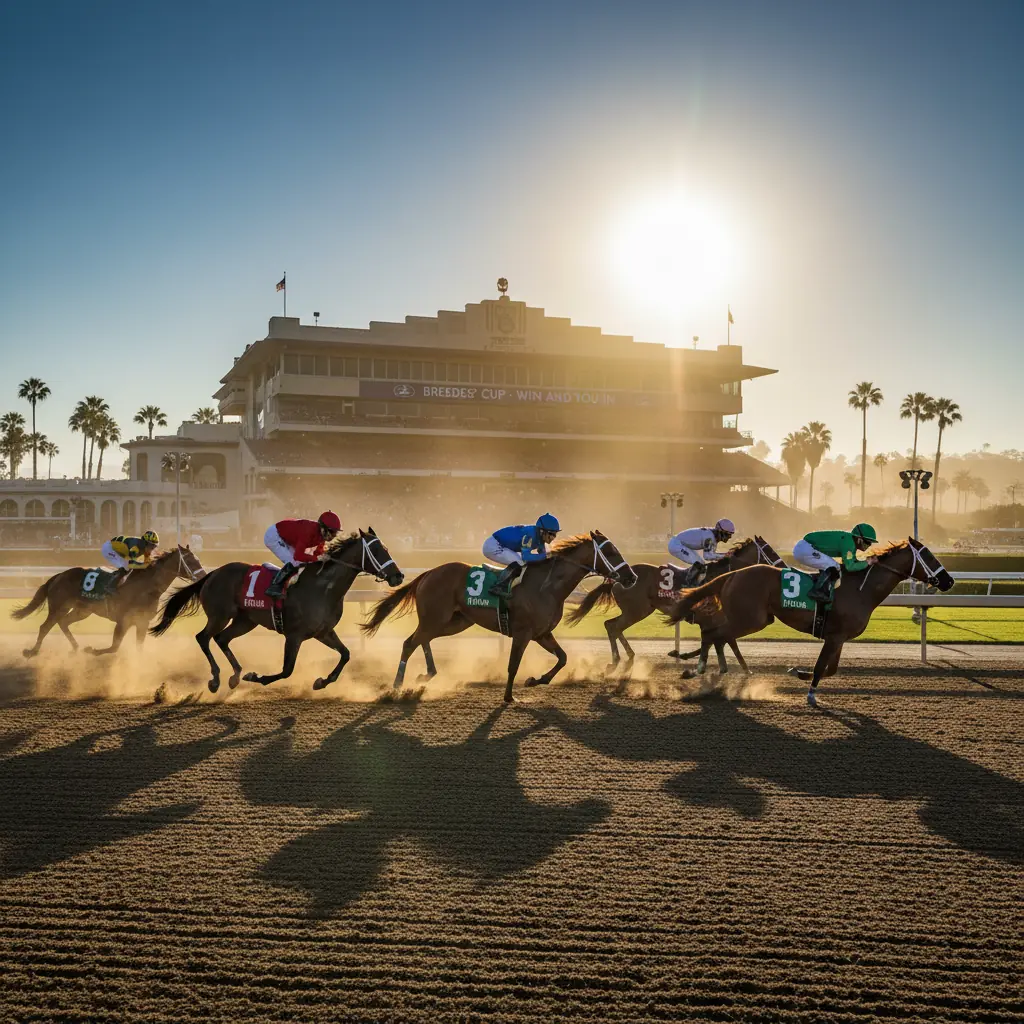
The Pacific Classic: A Race of Champions
The Pacific Classic stands as a jewel in the crown of American horse racing. It’s more than just another race; it’s a battleground where legends are forged. Awarded Grade 1 status, this prestigious event at Del Mar Racetrack draws the nation’s top thoroughbreds, all vying for a place in history. From its inception, the Pacific Classic has been synonymous with excellence, showcasing incredible displays of speed, stamina, and strategic brilliance.
Over the years, the Pacific Classic has evolved into a pivotal race on the Breeders’ Cup Challenge schedule. Winning this race isn’t just about prize money; it guarantees an automatic berth into the Breeders’ Cup Classic, the grand finale of the American horse racing season. This “Win and You’re In” status dramatically raises the stakes, injecting an extra dose of intensity into an already fiercely competitive environment.
Many factors can influence the outcome of the Pacific Classic. The weather at Del Mar can shift rapidly, turning a fast track into a slow and muddy surface, impacting the chances for some horses and dramatically favoring others. Moreover, the jockey’s performance throughout the season leading up to the race plays a crucial role; a jockey in peak form can make all the difference when splitting hairs between top-tier competitors. The Pacific Classic is more than just a race; it is a war to determine the true champions.
Pacific Classic Record Breakers
The Pacific Classic has witnessed some truly extraordinary performances, etching names into the annals of racing history. Dare and Go’s stunning upset victory remains a talking point, shocking the world and proving that anything is possible on the track. Acclamation’s dominant performance displayed both raw speed and stamina. The late Flightline destroyed a record to become one of the most dominant horses of all time. However, Pleasantly Perfect’s record-breaking run in 2003 was mind blowing. Some of these records are so incredible that they might stand for decades, if not indefinitely, serving as a testament to the exceptional caliber of horses that compete in the Pacific Classic.
Deciphering the Data: Understanding Odds and Handicapping
Horse racing, a sport steeped in tradition and excitement, can be both thrilling and daunting for newcomers. Success in horse race betting hinges on more than just luck; it requires deciphering complex data and mastering the art of handicapping. This involves understanding betting odds, analyzing past performances, and assessing numerous factors that can influence a horse’s chances of victory.
Understanding Betting Odds
Betting odds represent the payout you’ll receive if your chosen horse wins. Several formats exist, including fractional, decimal, and moneyline odds. Fractional odds (e.g., 5/1) indicate that for every $1 wagered, you’ll win $5 plus your original stake back. Decimal odds (e.g., 6.0) represent the total payout per $1 wagered, including the return of your stake. Moneyline odds (e.g., +500) show how much you’d win on a $100 bet, while negative moneyline odds (e.g., -120) indicate how much you need to wager to win $100.
Types of Bets
The simplest bets are “win,” “place,” and “show.” A “win” bet requires your horse to finish first. A “place” bet pays out if your horse finishes first or second. A “show” bet pays out if your horse finishes first, second, or third. Exotic wagers, such as exactas (picking the first two finishers in the correct order), trifectas (picking the first three), and superfectas (picking the first four), offer the potential for larger payouts but are more challenging to win.
Key Handicapping Factors
Handicapping involves evaluating a horse’s capabilities and predicting its performance. Key factors include:
- Speed Figures: Numerical ratings that reflect a horse’s past performance speeds. Higher figures generally indicate a faster horse.
- Track Conditions: The condition of the racing surface (e.g., fast, sloppy, turf) can significantly impact a horse’s performance. Some horses perform better on certain surfaces than others.
- Post Positions: The starting position of a horse in the starting gate. Inside post positions can be advantageous, especially in shorter races.
- Jockey/Trainer Statistics: Successful jockeys and trainers often have a positive impact on a horse’s performance. Look for combinations with a history of success.
Wagering Strategies and Avoiding Common Mistakes
Effective wagering involves setting a budget, researching your bets, and avoiding impulsive decisions. Don’t chase losses, and be wary of “sure things.” Remember, even the most skilled handicappers only win a fraction of their bets. One should always consider all the data and take educated decisions. In conclusion, handicapping in horse racing is about consistent improvement.

Experiencing the Pacific Classic: Attending the Race
The Pacific Classic is more than just a horse race; it’s a complete sensory experience. Attending this event offers an opportunity to immerse yourself in the thrilling atmosphere of Del Mar Racetrack. Whether you’re a seasoned racing enthusiast or a first-time visitor, planning your trip accordingly ensures a memorable day at the races.
Securing Your Spot: Del Mar Tickets
Gaining entry to the Pacific Classic involves securing Del Mar tickets in advance. Several seating options exist, catering to diverse preferences and budgets. From the exclusive Clubhouse to the more casual Stretch Run, each area offers a unique vantage point. Purchasing tickets online through the official Del Mar Thoroughbred Club website is the most convenient method. Doing so allows you to explore the various seating charts and pricing tiers. Early booking is highly recommended, as the Pacific Classic is a popular event and tickets tend to sell out quickly.
Navigating to Del Mar: Travel and Accommodation
Reaching Del Mar Racetrack is relatively straightforward, yet some planning can alleviate potential travel headaches. If driving, be aware that parking on race day can be challenging. Arrive early to secure a spot, or consider utilizing ride-sharing services. Public transportation is also a viable option, with the Coaster train providing direct access to the Del Mar area. For those traveling from afar, numerous hotels and vacation rentals are available in Del Mar and surrounding communities like Solana Beach and La Jolla. Reserving accommodation well in advance is crucial.
Race Day Immersion: Atmosphere and Amenities
The energy at the Pacific Classic is electric. Expect a vibrant crowd dressed in their finest attire – think elegant dresses, stylish hats, and sharp suits. Beyond the racing, indulge in diverse culinary offerings, from gourmet food trucks to upscale restaurants. Don’t miss the opportunity to sample signature cocktails at one of the trackside bars. Live music and entertainment further enhance the festive atmosphere. Beyond the track, nearby bars like Jake’s Del Mar offer stunning ocean views and a lively social scene that you should experience. You might even strike up a conversation with a local entrepreneur or a visiting celebrity – the possibilities are part of the day’s excitement.
The Future of the Pacific Classic
The Pacific Classic, like horse racing in general, stands at a fascinating crossroads. Shifting demographics, rapidly advancing technology, and an evolving understanding of horse welfare are all poised to reshape the sport. Sophisticated data analytics now offer trainers unparalleled insights into a horse’s performance and potential, while virtual reality experiences could draw in a new generation of fans. These technological leaps promise exciting possibilities and demand careful evaluation.
Concerns about horse welfare are paramount, and the industry must prioritize safety and ethical treatment. Expect to see further advancements in track safety measures, veterinary care, and perhaps even adjustments to race distances and formats. The Pacific Classic’s future may also be influenced by a changing jockey culture. As riders become more diverse and draw increasing attention to social issues, their influence on the sport’s image and popularity may well grow. The Pacific Classic and Del Mar, steeped in tradition, will undoubtedly adapt to these winds of change, striving to maintain their prestige while embracing a more responsible and innovative future.
Conclusion
The Pacific Classic is more than just a race; it’s a cornerstone of Del Mar and California horse racing. Its rich history, high-stakes competition, and unparalleled atmosphere make it a must-see event. Whether you witness the thunder of hooves firsthand or follow the action online, the Pacific Classic offers unmatched excitement. Dive into the world of this prestigious stakes race and let the legacy of champions captivate you. Reach out with any questions, and consider experiencing the thrill of the Pacific Classic for yourself.